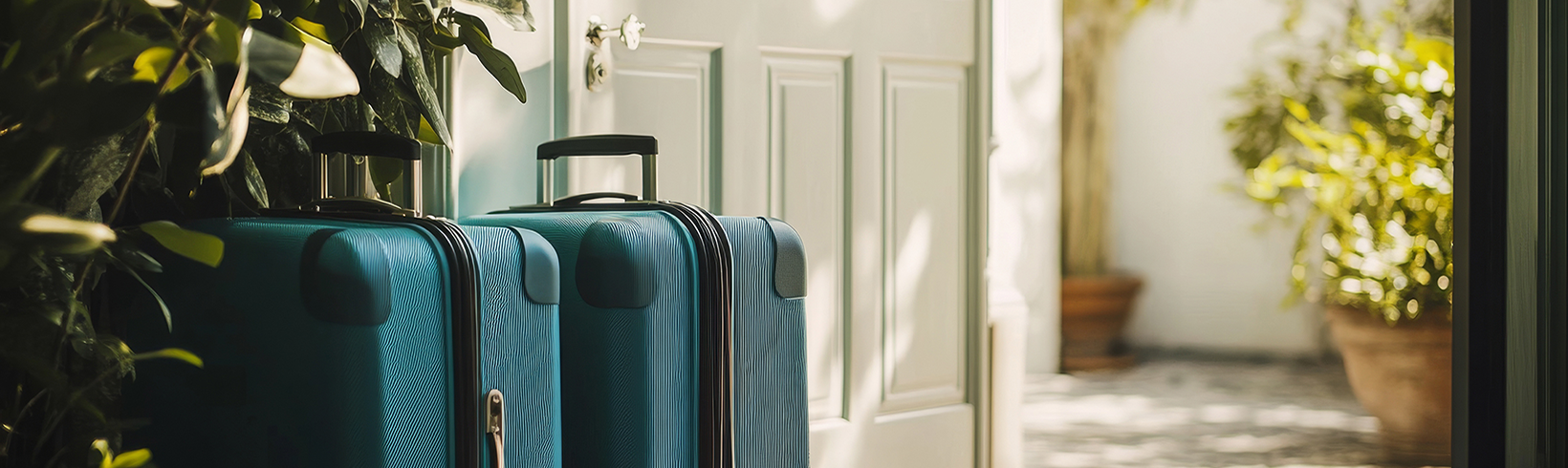
Summer Holiday Security – Home and Away
Whether you’re planning a weekend getaway or an extended trip abroad, taking a few simple precautions before you leave and while you are away can help protect you, your belongings and your home.
Secure All Entry Points
Before you leave, ensure every potential entry point is properly secured. Check doors, windows, garages, gates and sheds, and carry out a quick perimeter inspection to identify any damage or weaknesses that could make your property vulnerable.
Make Your Home Look Occupied
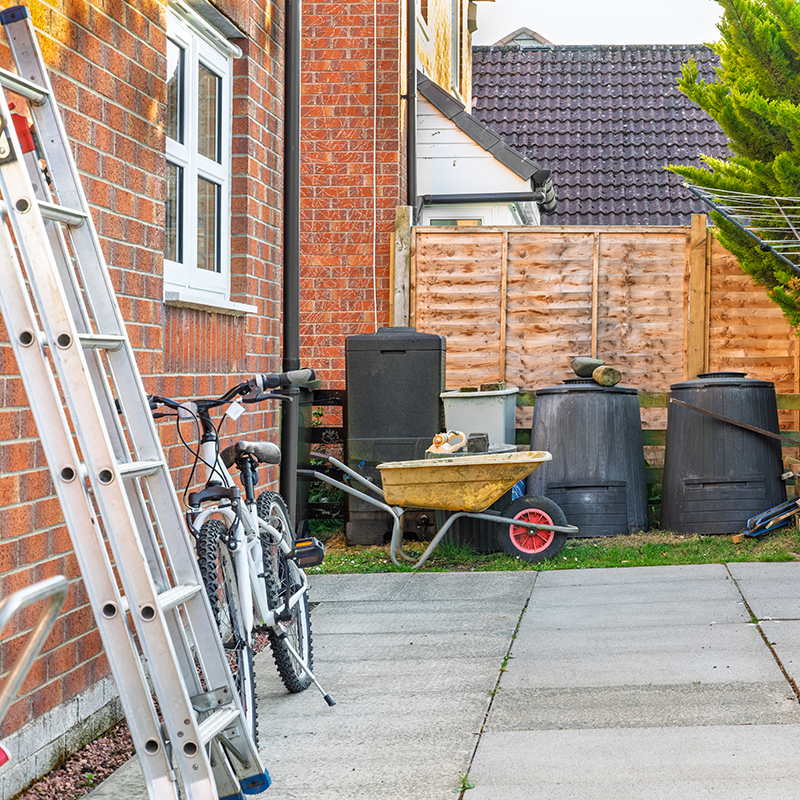
An empty property can attract unwanted attention. Leave curtains and blinds in their usual positions rather than closing them completely, and tidy your garden by mowing the lawn and trimming hedges before you leave. Store wheelie bins, ladders and other items that could assist someone in gaining access to your property. Timer switches can also be used to turn lights, radios or televisions on and off, helping to create the appearance of normal activity.
Use Smart Security
Modern security technology can provide reassurance while you’re away. Smart cameras, alarm systems and motion-activated lighting can help deter opportunist thieves and allow you to monitor your property remotely. Many systems now offer smartphone alerts and live video access, enabling you to check on your home from anywhere.
Keep Valuables Out of Sight
Avoid leaving valuable items visible through windows or glass doors.
Hideaway jewellery, electronics and any important documents before you leave.
Garden furniture, tools, bicycles and other outdoor equipment should also be locked away in a shed or garage.
Pause Deliveries
A build-up of post or parcels is a clear indication that a property is unoccupied. Pause regular deliveries, redirect your mail or ask a trusted neighbour to collect post while you’re away.
Use Visible Deterrents
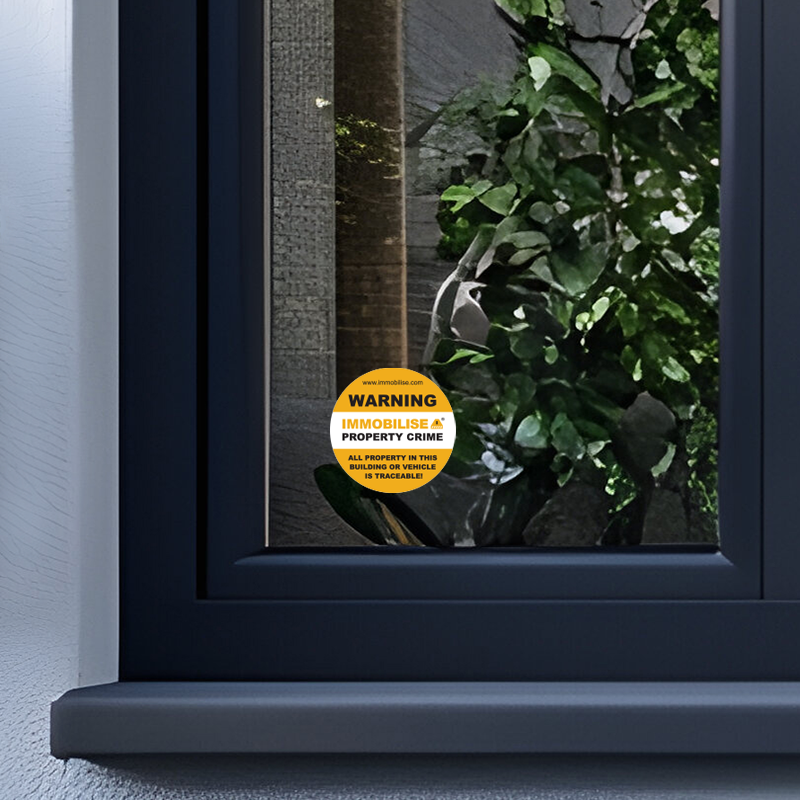
Visible security measures can discourage criminals from targeting your home. Alarm signs, window decals and property-marking schemes signal that possessions are protected and traceable.
Register Your Valuables
Before you travel, make a record of your most valuable possessions and register them with Immobilise. This helps police return recovered items and provides a useful ownership record that may help support insurance claims.

Going on an Extended Trip?
If you’re planning to be away for several months or more, consider taking a few additional precautions.
Ask Someone You Trust to Check In
While technology is useful, nothing replaces a trusted person physically checking your property. Ask a friend, family member or neighbour to visit periodically, move bins, adjust curtains and ensure everything is in order. If you expect to be away for three months or more, a professional property management service may be worth considering.
Get Support from Your Community
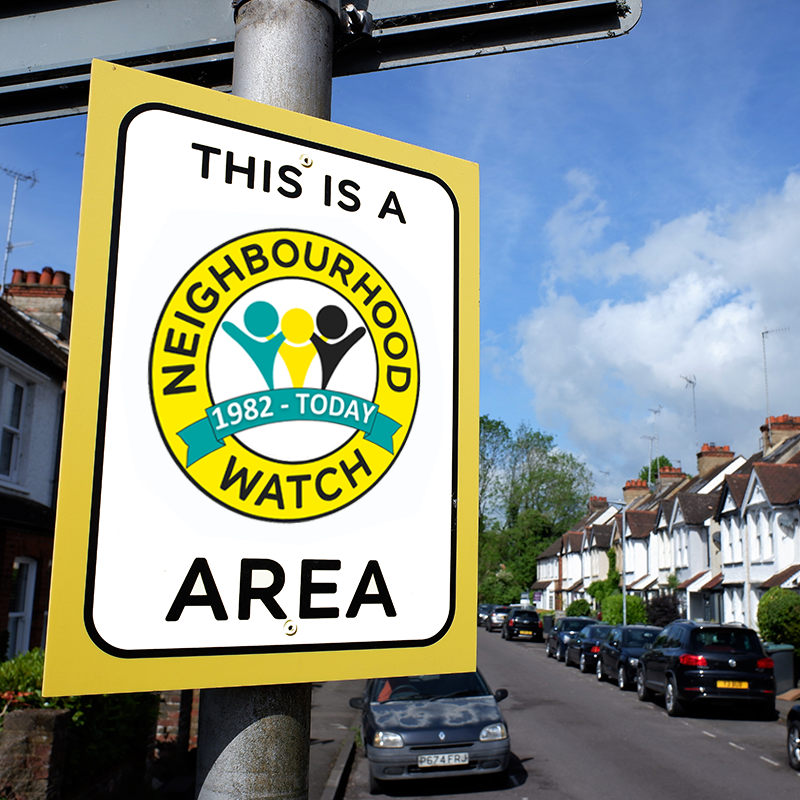
Neighbourhood Watch schemes can provide an additional layer of reassurance by encouraging residents to look out for suspicious activity. If there isn’t a scheme in your area, consider starting one with your neighbours.
Check Your Insurance Cover
Some home insurance policies restrict cover if a property is left unoccupied for an extended period. If you'll be away for more than 30 days, it is worth reviewing your policy carefully.
For longer absences, you may need specialist unoccupied property insurance, which can provide cover for risks such as theft, vandalism, fire, flood and storm damage.
Staying Safe While Travelling
Tourist destinations can attract opportunist thieves, but a few sensible precautions can significantly reduce your risk.
Wear Pickpocket-Resistant Clothing
Travel clothing with hidden or secure pockets offers an extra layer of protection. Anti-theft jackets, money belts and other concealed storage options make it more difficult for pickpockets to access valuables in crowded areas.
Protect Your Identity and Personal Information
Store digital copies of passports, travel documents and insurance details securely on your phone or in encrypted cloud storage. Where possible, keep payment cards and identification separate, and avoid storing PINs with your cards or documents.
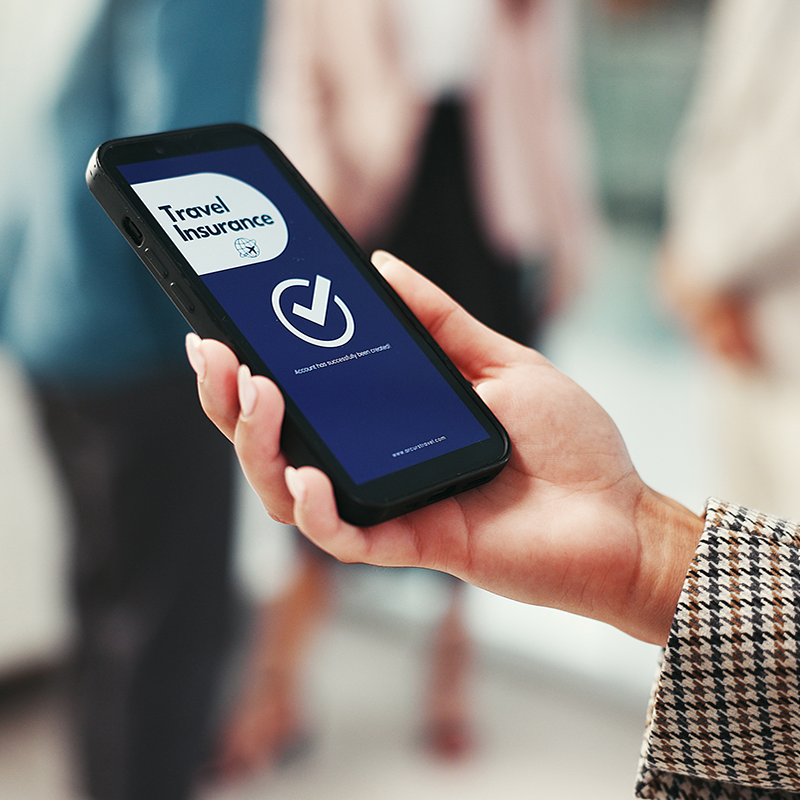
Before travelling, check that your travel insurance covers gadgets and electronic devices.
Research Your Destination
Spend time familiarising yourself with the areas you'll be visiting. While most tourist attractions are safe, some locations are more susceptible to theft than others. If you're unsure which areas to avoid, seek advice from your hotel, hostel or holiday rental host, who can often recommend safer routes and areas.
Be Discreet When Using Your Phone
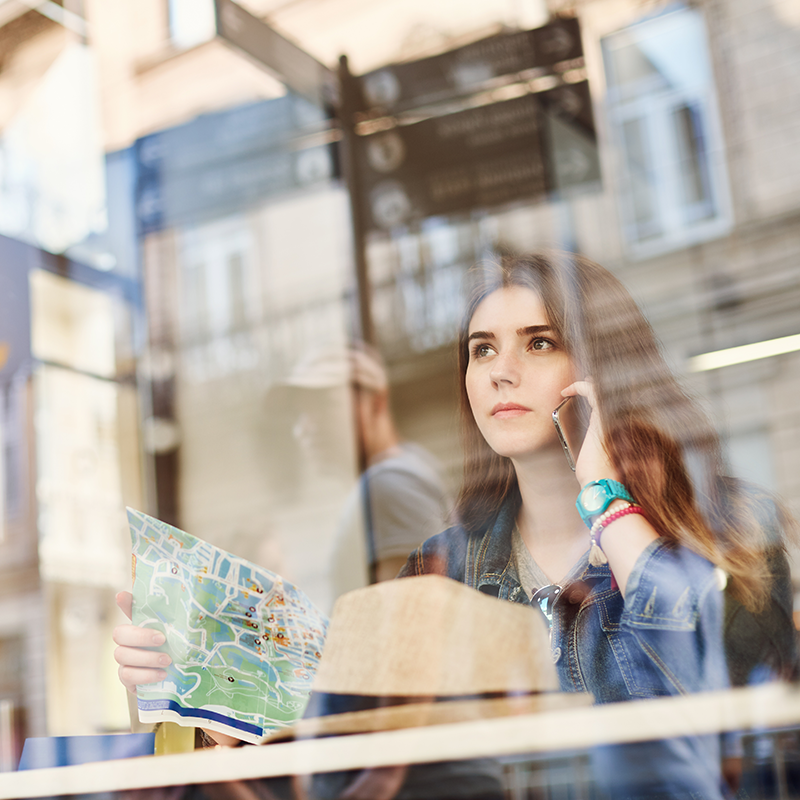
Using an expensive smartphone in public can make you a target for theft. If you need directions, step into a shop, café or other safe location before checking your route. Planning ahead allows you to keep your phone securely stored while walking.
Separate Important Belongings
Avoid keeping your phone, wallet, passport and keys together. Separating essential items reduces the impact of loss or theft and can prevent a minor incident from becoming a major disruption. Keeping a backup payment card in a separate location can also be invaluable.
Use a Hotel Safe
Where available, store spare passports, excess cash, jewellery and other valuables in a hotel safe rather than carrying everything with you throughout the day.
Be Cautious on Public Wi-Fi
Public Wi-Fi networks are convenient but not always secure. Avoid accessing online banking or entering sensitive information when connected to public networks. Using a trusted VPN can provide an additional layer of protection.
Consider a Dummy Wallet
In destinations where pickpocketing is known to be common, some travellers choose to carry a dummy wallet as an extra precaution. A small amount of cash and a few non-essential cards may satisfy a thief, while your genuine wallet remains securely concealed.
With a little preparation, you can enjoy your time away knowing you have taken sensible steps to protect your home, your belongings and your personal information.
Share this page
We hope that you find these tips useful and encourage you to share them with your family, friends and colleagues.
Connect with Immobilise


Security products
ImmobiKey Tags
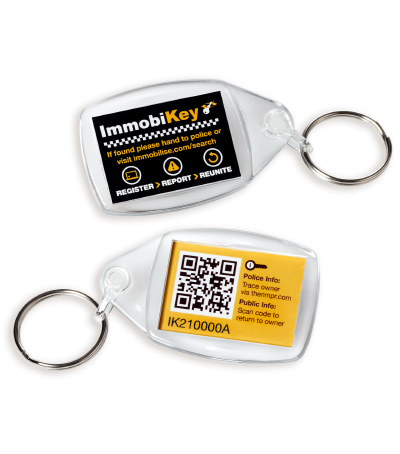
ImmobiKey is designed to securely re-unite people with their keys should they be lost or stolen.
ImmobiMark Complete Property Marking Kit
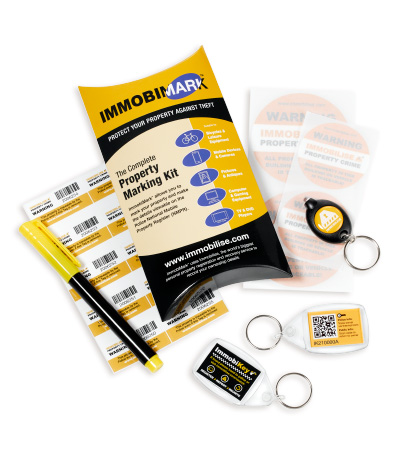
Ideal for use with your Immobilise account. You will be able to mark, label and register all your possessions to deter thieves and help the authorities identify and return your property.